
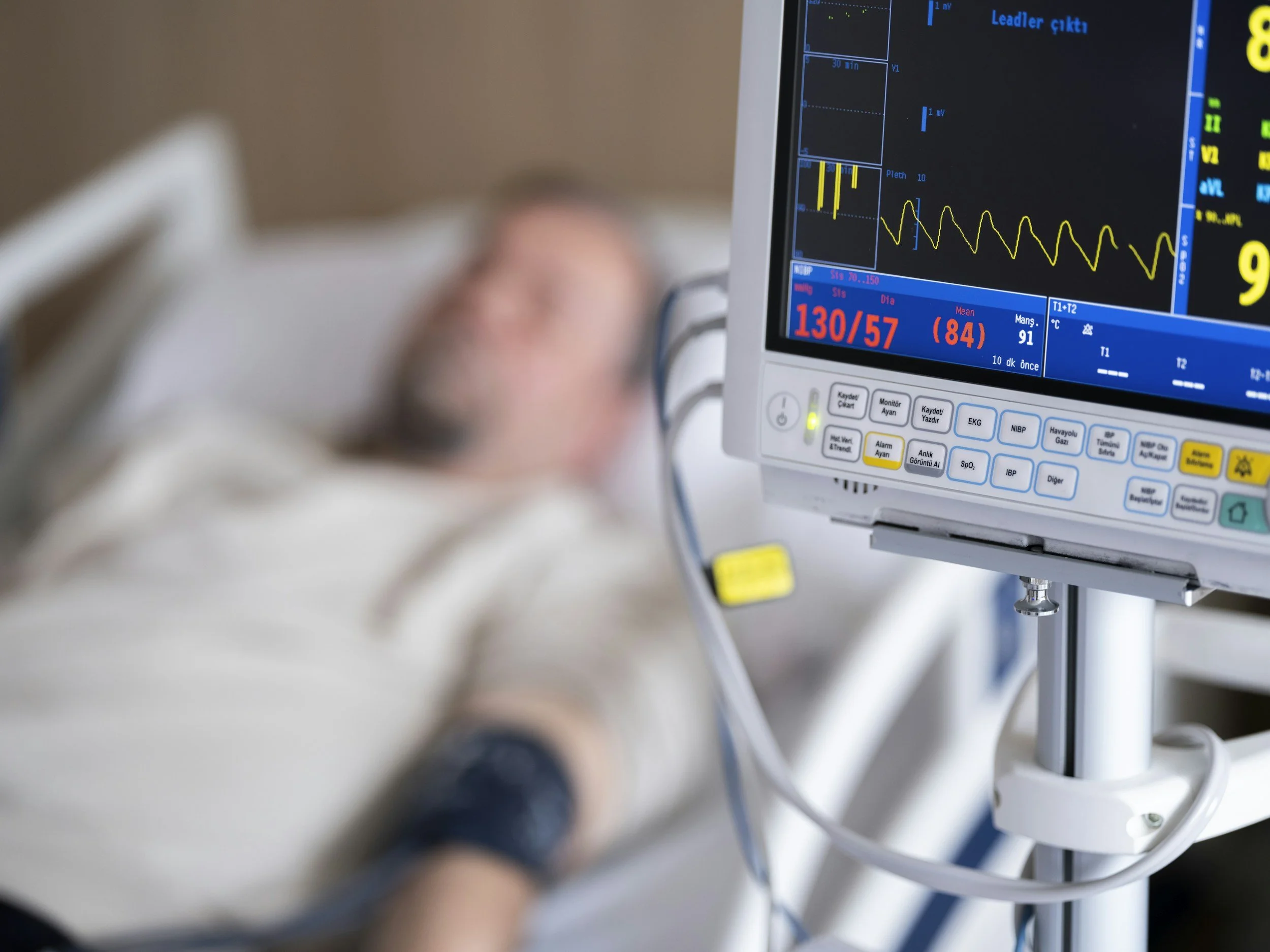
Mental health support for organ donation, transplant experiences, chronic illness, and medical trauma.
Major medical experiences affect far more than physical health. They can impact emotions, relationships, identity, anxiety levels, family dynamics, and the way people experience everyday life.
I provide therapy support for individuals and families navigating these deeply personal experiences.
Why this work matters deeply to me
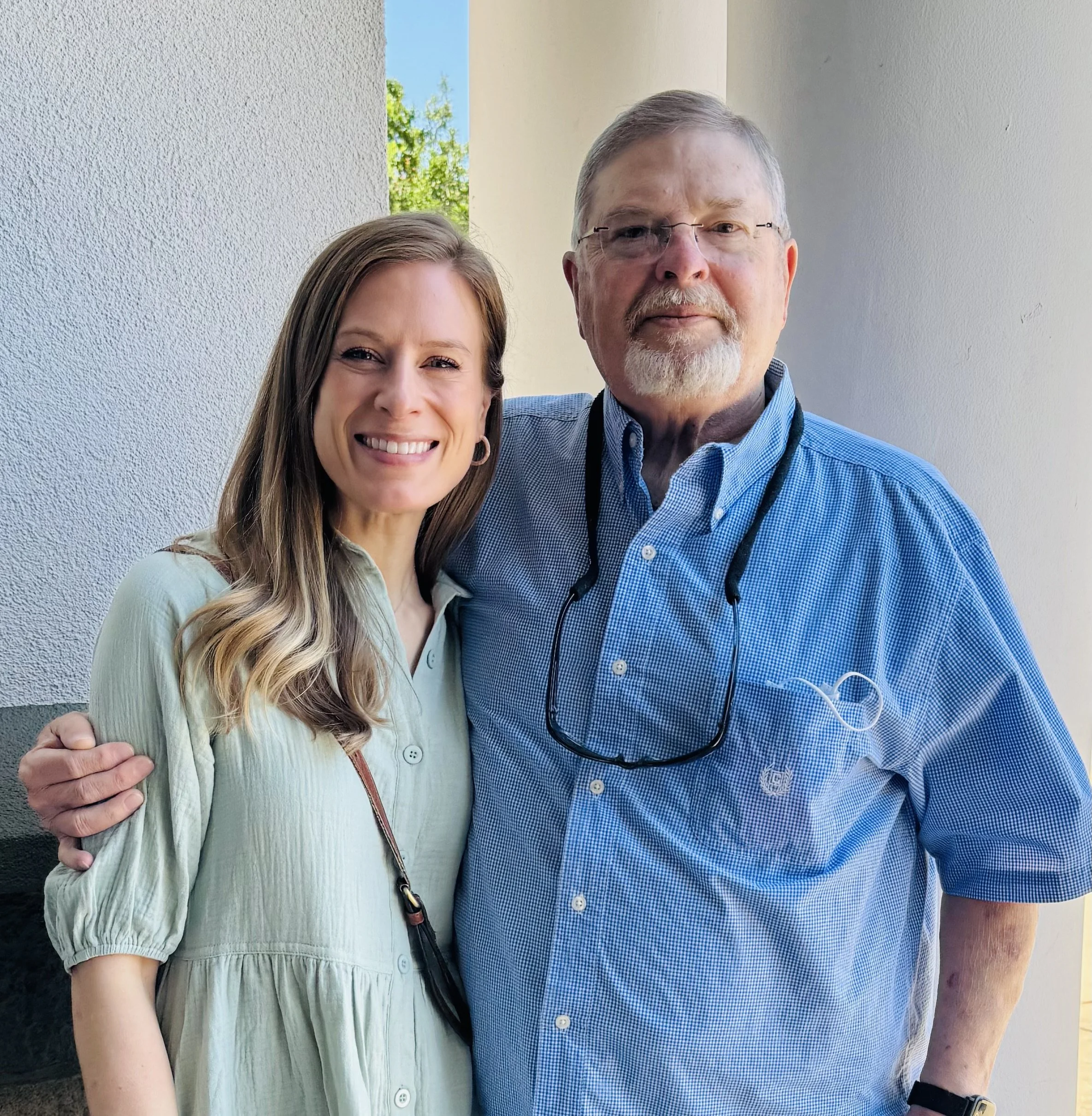
I became passionate about transplant and medical mental health through my own family’s experience.
As a living kidney donor for my dad, I experienced firsthand how emotionally complex transplant journeys can be for everyone involved. There can be gratitude and hope alongside fear, grief, guilt, uncertainty, and exhaustion.
After transplant, my dad experienced repeated hospitalizations and ongoing complications when we had hoped everything would simply feel “better.” That experience opened my eyes to how much emotional support people truly need during and after major medical events.
I understand these experiences both personally and professionally, and I wanted to create a space specifically for people navigating this world.
Areas of support include:
-
Pre-transplant Support
Anxiety related to surgery and outcomes
Waitlist stress
Emotional preparation
Decision-making support
-
Living Donor Support
Emotional processing before donation
Family dynamics
Identity shifts
Post-donation adjustment
-
Post-transplant Adjustment
Anxiety related to rejection or complications
Medical trauma
Survivor’s guilt
Emotional overwhelm
Identity and body image changes
-
Caregiver Burnout and Medical Stress
Caregiver burnout
Medical stress
Grief and anticipatory grief
Emotional exhaustion
Relationship strain
My approach to this work:
-
Trauma-informed and evidence-based care
-
Experience working with chronic illness and medical stress
-
Virtual therapy available
-
Collaborative approach with medical teams when appropriate
-
Warm, nonjudgmental support